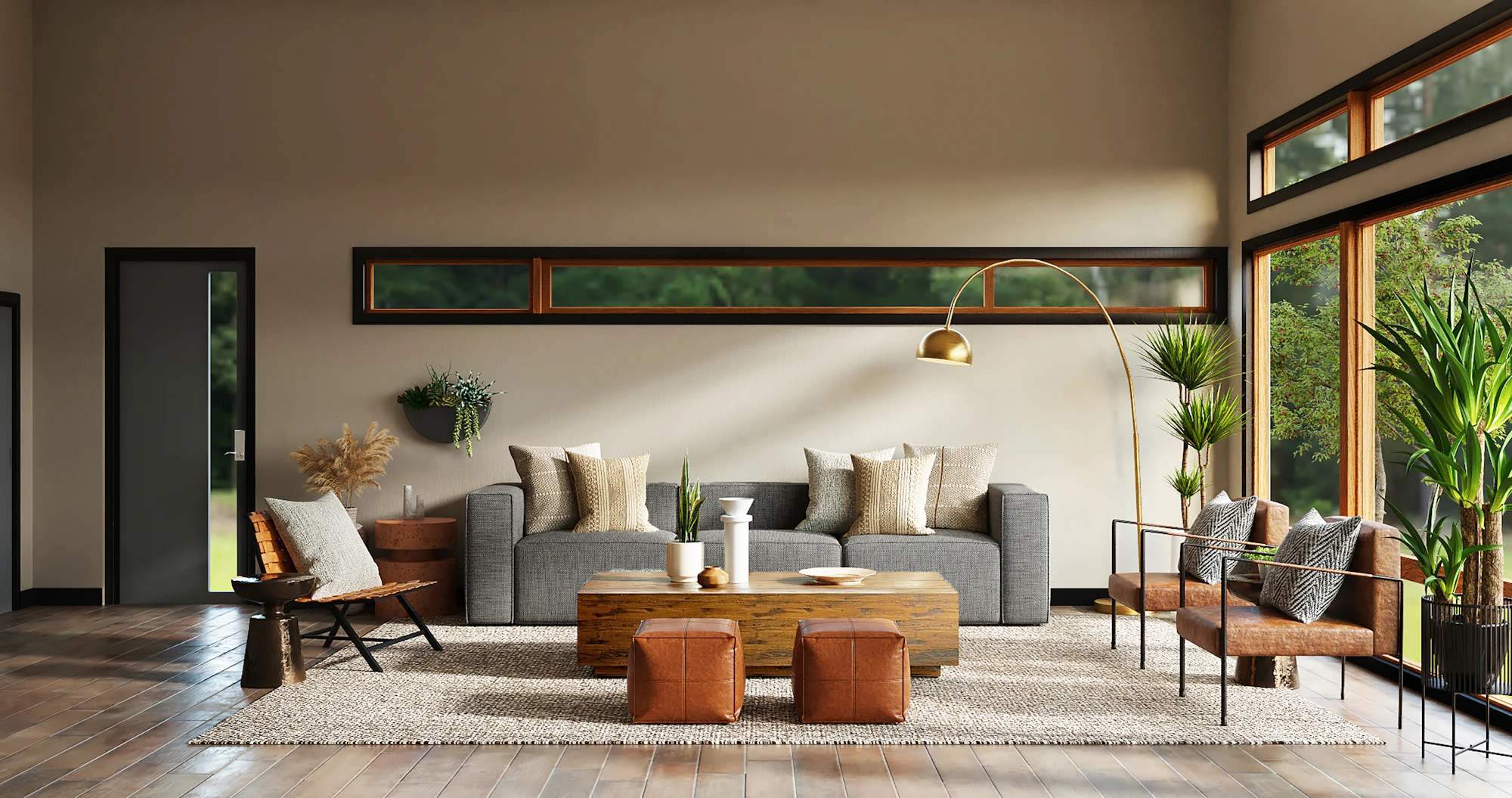
Before You Say Anything, Your Office Has Already Said Something
Think about the last time you walked into an office for the first time. You probably didn't consciously analyse everything. You just felt something.
- Professional.
- Warm.
- Cold.
- Expensive.
- Neglected.
- Organised.
- Chaotic.
- Modern.
- Outdated.
Sometimes you cannot even explain why. But you know. That is the strange power of physical spaces. They influence perception before we have enough information to consciously form an argument about what we are seeing.
A client may not know the difference between one tile finish and another. They may not know which flooring system was used. They may not know how much the furniture cost. They may not even notice the exact colour on the wall. But they notice the whole thing. The feeling. The coherence. The attention to detail.
This is especially important for companies that sell expertise:
- Professional services
- Real estate
- Construction
- Consulting
- Finance
- Technology
- Architecture
- Law
- Hospitality
In businesses like these, clients are not only buying a product. They are buying confidence. And confidence is often communicated through details.
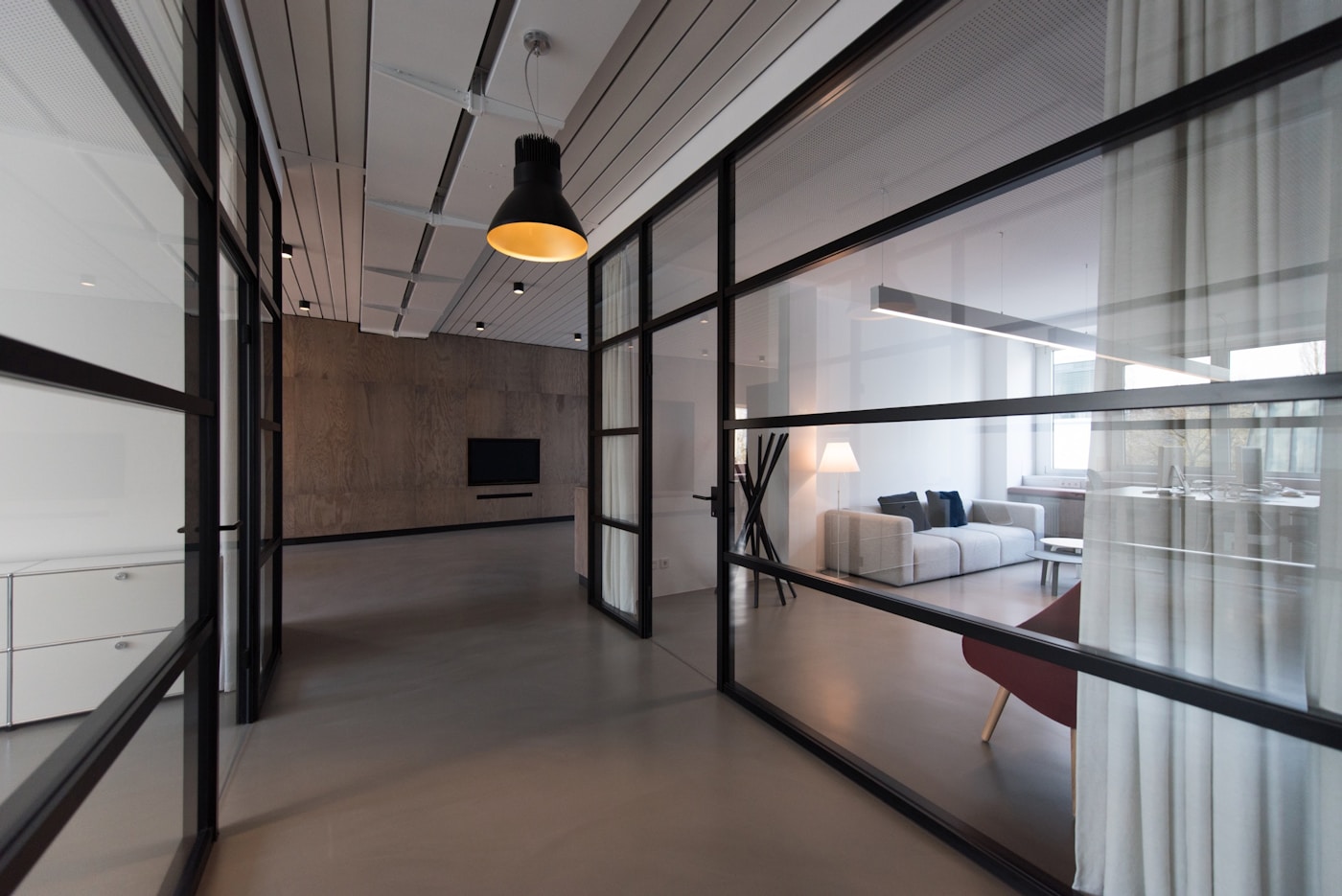
The Floor Might Be Saying More Than You Think
We often think about walls first. Paint colours. Artwork. Branding. Reception desks. But there is something underneath all of it. The floor. It occupies a huge percentage of what the eye sees. And yet, because it is always there, we sometimes stop noticing it. Clients don't.
- A worn floor can make an otherwise beautiful office feel tired.
- The wrong pattern can make an elegant room feel unnecessarily busy.
- A poorly selected finish can fight against the furniture, lighting and architecture.
- A well-chosen floor can do something much quieter: it can make everything else feel intentional.
Because those are two different questions. A corporate headquarters may need something restrained and sophisticated. A creative studio might tolerate more personality. A luxury showroom may need the floor to contribute to the sense of exclusivity. The floor is not merely something people walk on. It is part of the visual language of the room.
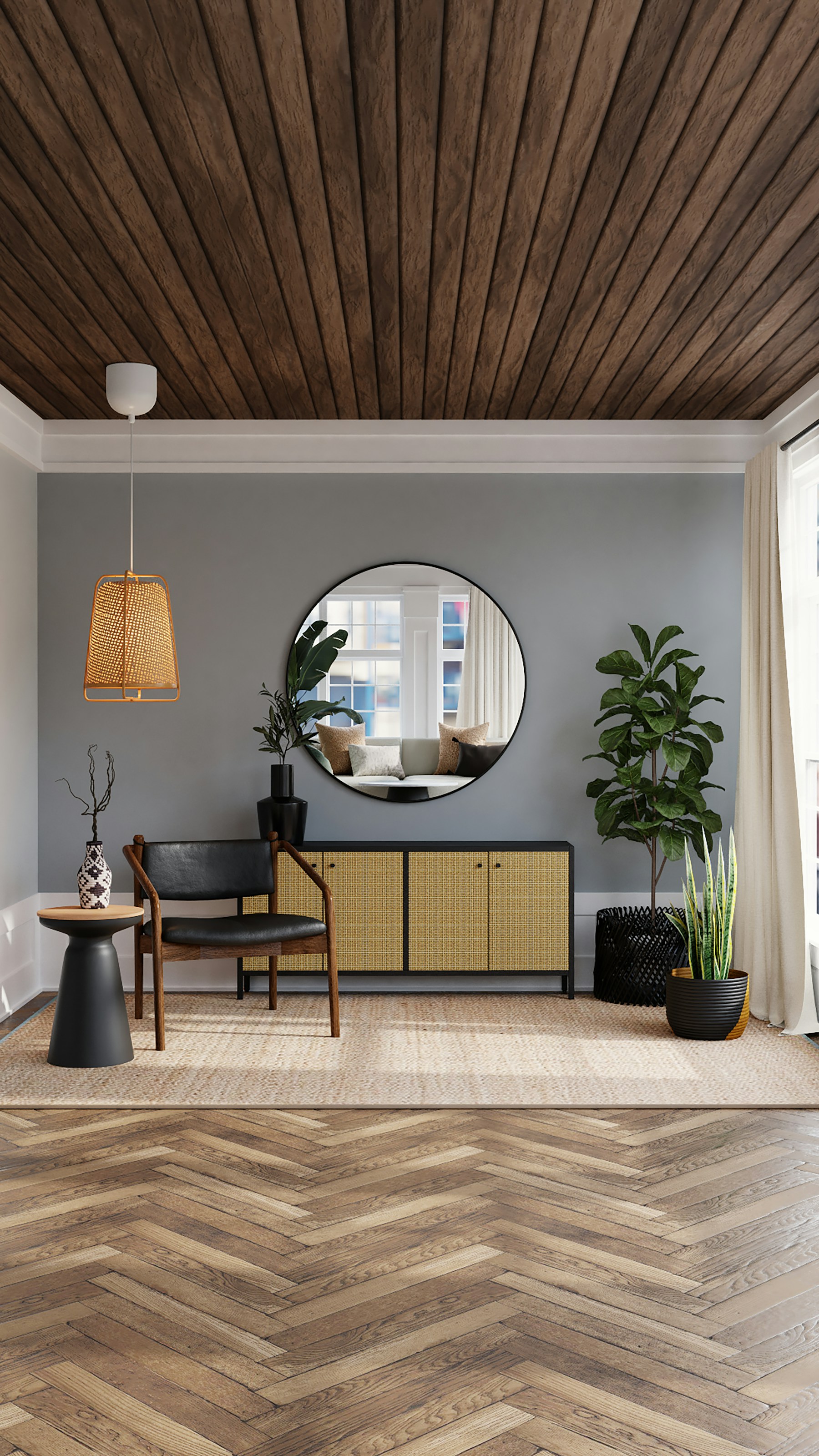
Then There Is Scale
There is another detail that can completely change the way a space feels. Scale. Walk into a room covered in many small visual divisions and the room can feel fragmented. Introduce larger surfaces and something changes. The space begins to breathe.
This is one reason large-format tiles have become increasingly interesting in contemporary commercial interiors:
- Fewer visual interruptions.
- Cleaner lines.
- A stronger sense of continuity.
The effect can be subtle. You may not walk into the room thinking, "This looks better because the tile format is larger." You simply think: "This feels good." And that is often the point. Good design doesn't always announce itself. Sometimes it simply makes the environment feel right. The material becomes part of the architecture rather than competing with it.
There is a difference between making a space look expensive and making a space look considered. The most intentional interiors often cost no more than the generic ones — they simply begin with better questions.
Expensive Is Not the Same as Intentional
A space can be expensive and still feel wrong. You can spend heavily on furniture. Install beautiful lighting. Use premium materials. Add a large reception desk. Put the company logo on the wall. And still end up with a space that doesn't quite work.
Why? Because quality is not only about individual elements. It is about how those elements relate to one another.
- The floor should make sense with the walls.
- The lighting should make sense with the materials.
- The furniture should make sense with the scale of the room.
- The colours should support the atmosphere.
- The brand should feel connected to the environment.
Everything should feel like it belongs. That is what creates intentionality. And intentionality is often more powerful than extravagance.
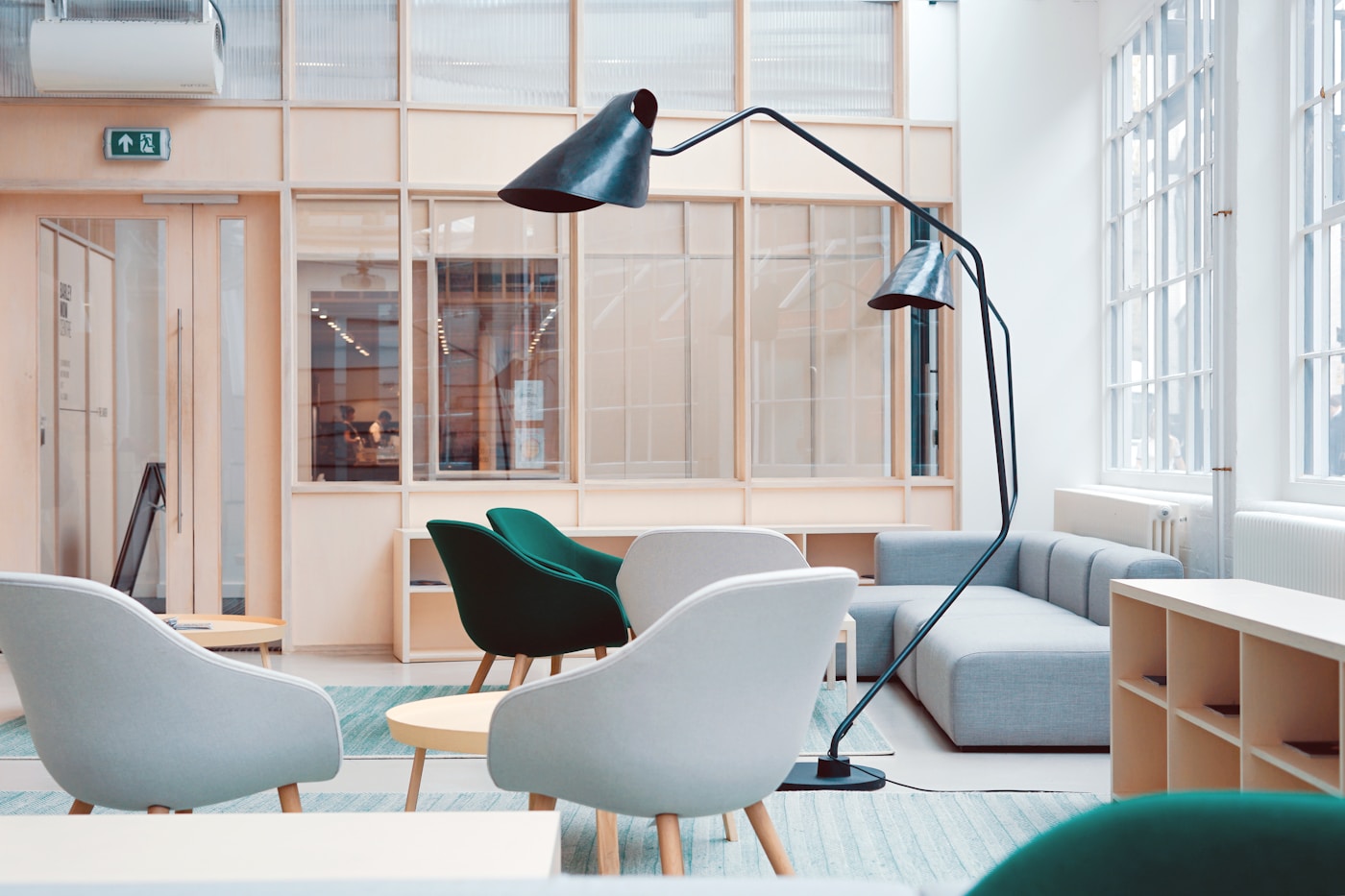
Materials Have Personalities Too
Stone feels different from wood. Wood feels different from polished concrete. Gloss feels different from matte. Warm colours feel different from cool ones. Texture changes the experience. So does light. So does scale.
This is why selecting interior materials is not simply a technical exercise. Materials carry personality. A company might want to feel established. Another might want to feel innovative. Another might want to feel approachable.
- A polished surface can feel precise.
- A textured surface can feel warmer.
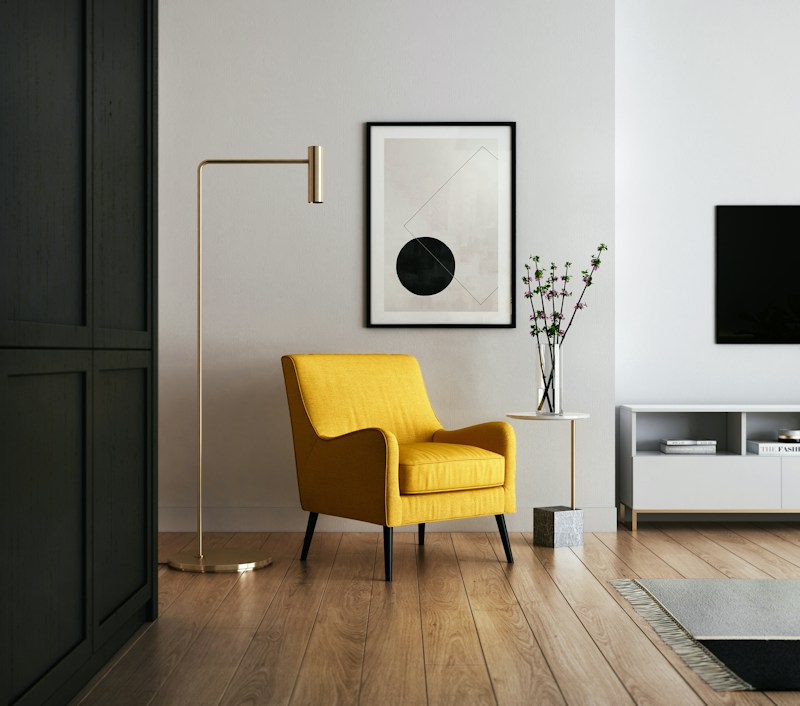
- A wood-look finish can introduce a sense of comfort into an otherwise highly structured environment.
The question is not whether one material is universally better than another. It is whether the material tells the right story for the space.
There Is a Reason Wood Keeps Coming Back
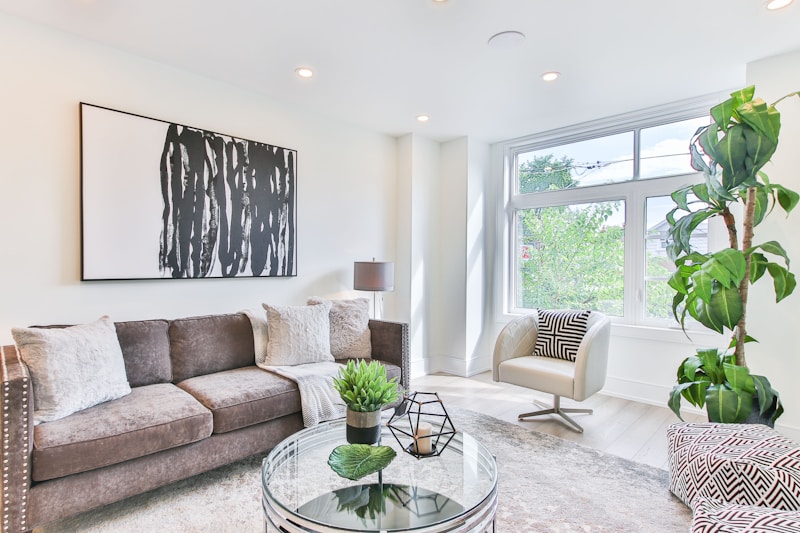
Modern offices can sometimes become too hard. Too much glass. Too much metal. Too much white. Too much polished surface. Everything is clean. Everything is precise. And yet something is missing. Warmth.
Wood-look tiles can introduce some of that visual warmth while remaining suitable for practical commercial environments. They can help soften reception areas. Add character to meeting spaces. Create a more relaxed feeling in executive offices. And they can do this without forcing the entire interior to become rustic or traditional.

The objective isn't to make an office look like a home. It is to make a workplace feel considered enough that people want to be in it. That is a very different design brief.
Then Light Enters the Conversation
You can choose beautiful materials — and then light them badly. It happens all the time. A finish that looked elegant in a showroom can look completely different under harsh artificial lighting. A beautiful colour can appear dull. A textured surface can lose its depth. A polished finish can become unnecessarily reflective.
Light doesn't simply illuminate a room. It reveals it.
- Where does natural light enter?
- What happens in the afternoon?
- How does the reception look in the evening?
- Which surfaces catch the light?
- Which areas need softer illumination?
- Which areas need stronger functional lighting?
These questions matter because an office is not a photograph. It changes throughout the day. And the materials need to work with those changes.
The Boardroom Is Not Just a Room
The boardroom often becomes the stage on which important conversations happen: partnership discussions, investment conversations, negotiations, presentations, strategic meetings, decisions.
And yet we sometimes treat the boardroom like it is simply another room that needs a table and chairs. It is more than that. It is part of the experience.
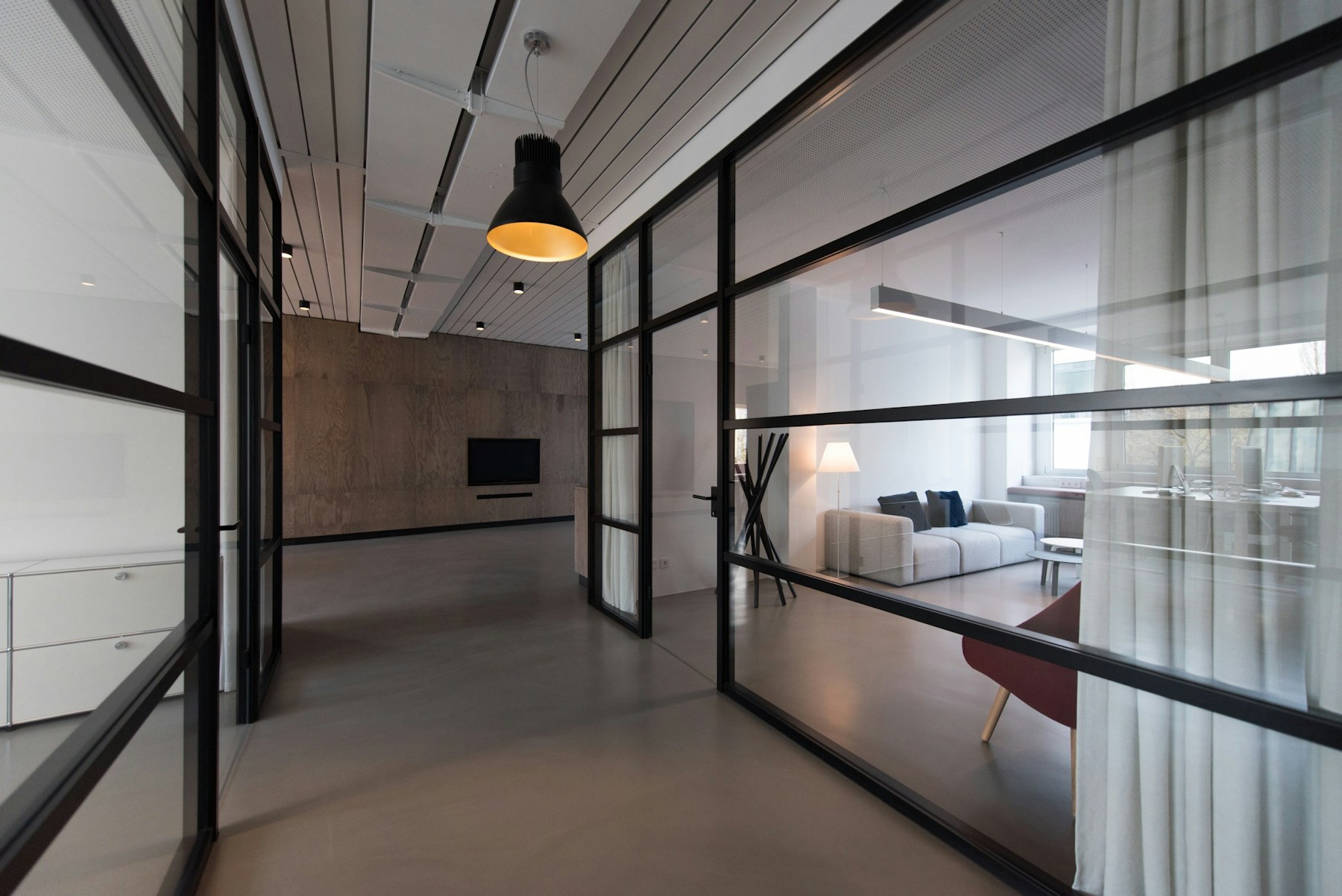
Imagine entering a boardroom where everything feels considered. The proportions work. The table fits the room. The lighting is comfortable. The flooring is clean and sophisticated. The materials feel consistent. The technology is integrated. Nothing is screaming for attention. Everything simply works.
That environment changes the meeting. Not because the room magically creates better decisions, but because the environment removes unnecessary friction. People can focus on the conversation. And sometimes that is what good design does best: it gets out of the way.
Your Brand Does Not Stop at Your Logo
A company can have an excellent logo, a beautiful website, and a carefully designed brand identity. And then you walk into the physical office and none of it continues. That creates a disconnect. Because branding is not only what people see on a screen. It is also what they experience:
- The colours
- The materials
- The furniture
- The signage
- The reception
- The atmosphere
- Even the way information is presented
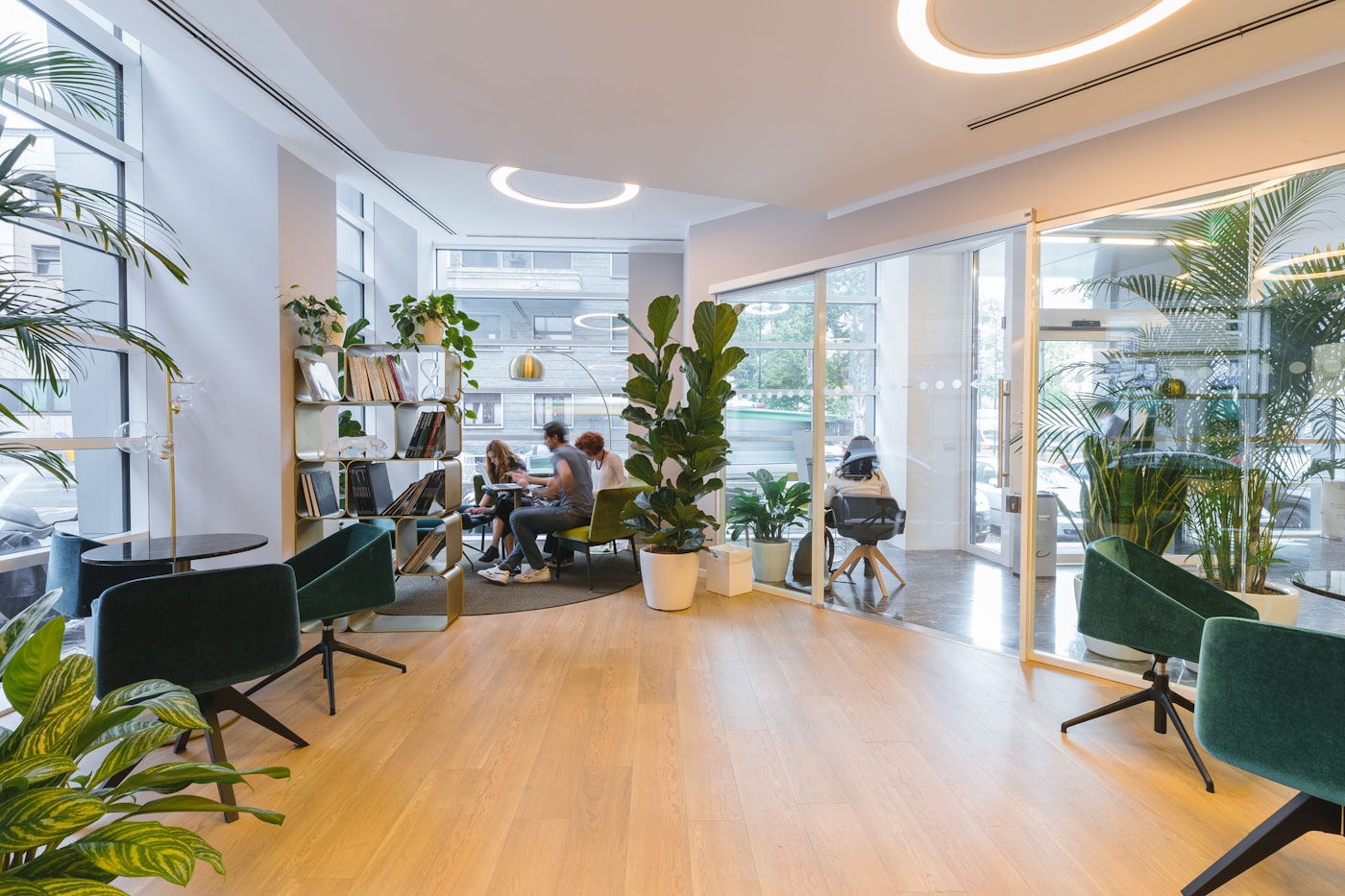
A strong brand has a certain consistency to it. You recognise it, sometimes without seeing the logo. That is the opportunity with office interiors. The physical environment can become an extension of the brand — not through excessive branding or by putting the logo everywhere, but through consistency, subtlety, and choice.
And Then There Are the Details Nobody Talks About
- The skirting.
- The transitions between materials.
- The alignment of tiles.
- The condition of the walls.
- The cleanliness of corners.
- The quality of installation.
- The way doors meet the floor.
- The way furniture sits within the room.
These things can sound insignificant — until they are wrong. Then suddenly they become very noticeable. This is why craftsmanship matters. A premium material poorly installed does not produce a premium result. Good finishing is partly about what people notice, and partly about what they don't.
Function Still Matters
Of course, an office is not a showroom. People work there. They walk through it every day. They carry things. They have meetings. They wait. They eat. They move furniture. They clean. They make mistakes. Life happens.
So the most beautiful material in the world is not automatically the right choice if it cannot work within the reality of the space. Beauty and function should not be fighting each other. They should be working together.
- The reception should look impressive, but it should also be practical.
- The boardroom should look sophisticated, but people should also be comfortable sitting there for two hours.
- The flooring should look beautiful, but it should also make sense for the amount of traffic the space receives.
Different Businesses Need Different Rooms
There is no universal definition of the perfect office. A law firm does not necessarily need to look like a technology company. A real estate company does not need to look like a creative agency.
The space should make sense for the business, for the people who work there, for the clients who visit, for the kind of conversations that happen there, and for the promise the company is making. That is why copying another office can be dangerous. You might reproduce the appearance, but lose the meaning.
Maybe the Most Important Audience Is Not the Client
There is another side to all of this: Employees. Because your office communicates to them too. Every morning, they walk into the space. They spend hours there. They have meetings there. They solve problems there. They build the company there. And people respond to environments.
A thoughtful workspace can create a sense of pride. A neglected one can quietly communicate something else. The environment tells people what the organisation pays attention to. It tells them whether details matter. It tells them whether the company thinks about the experience of the people inside it.

Maybe the Real Question Isn't "Does My Office Look Good?"
Maybe that is the wrong question. Maybe the better question is: What does my office communicate?
- Does it communicate care?
- Does it communicate consistency?
- Does it communicate confidence?
- Does it communicate the level of service you want clients to expect?
- Does it feel like the kind of company you say you are?
Because that is where interior design becomes more interesting. It stops being about decoration and starts becoming about alignment. When the business, the website, the people, and the physical environment speak different languages, the experience becomes confusing. But when everything begins to speak the same language, something changes. The company feels clearer. More deliberate. More believable.
At Goodland, we think about materials differently — not simply as things that fill a space, but as part of the experience of that space. A tile is not only a tile. It becomes part of the floor a client walks across, part of the room where a decision is made, part of the reception where a relationship begins.
The conversation should not begin with: "Which tile should we buy?" It should begin earlier: What are we trying to create? How should the space feel? Who will use it? What should visitors experience?
Your Space Is Already Speaking
You do not have to redesign an entire office to change the experience. Sometimes it starts with one decision:
- A better floor
- A more considered material
- A warmer meeting space
- Better lighting
- A reception that actually reflects the company
- A boardroom that feels like it belongs to the business
Small decisions can change how the whole environment is perceived. But they should begin with thought — not trends, not what everyone else is doing, and not simply what looks expensive.
Five years from now, the trend may have changed. But the question will remain: Did the space represent the business well?
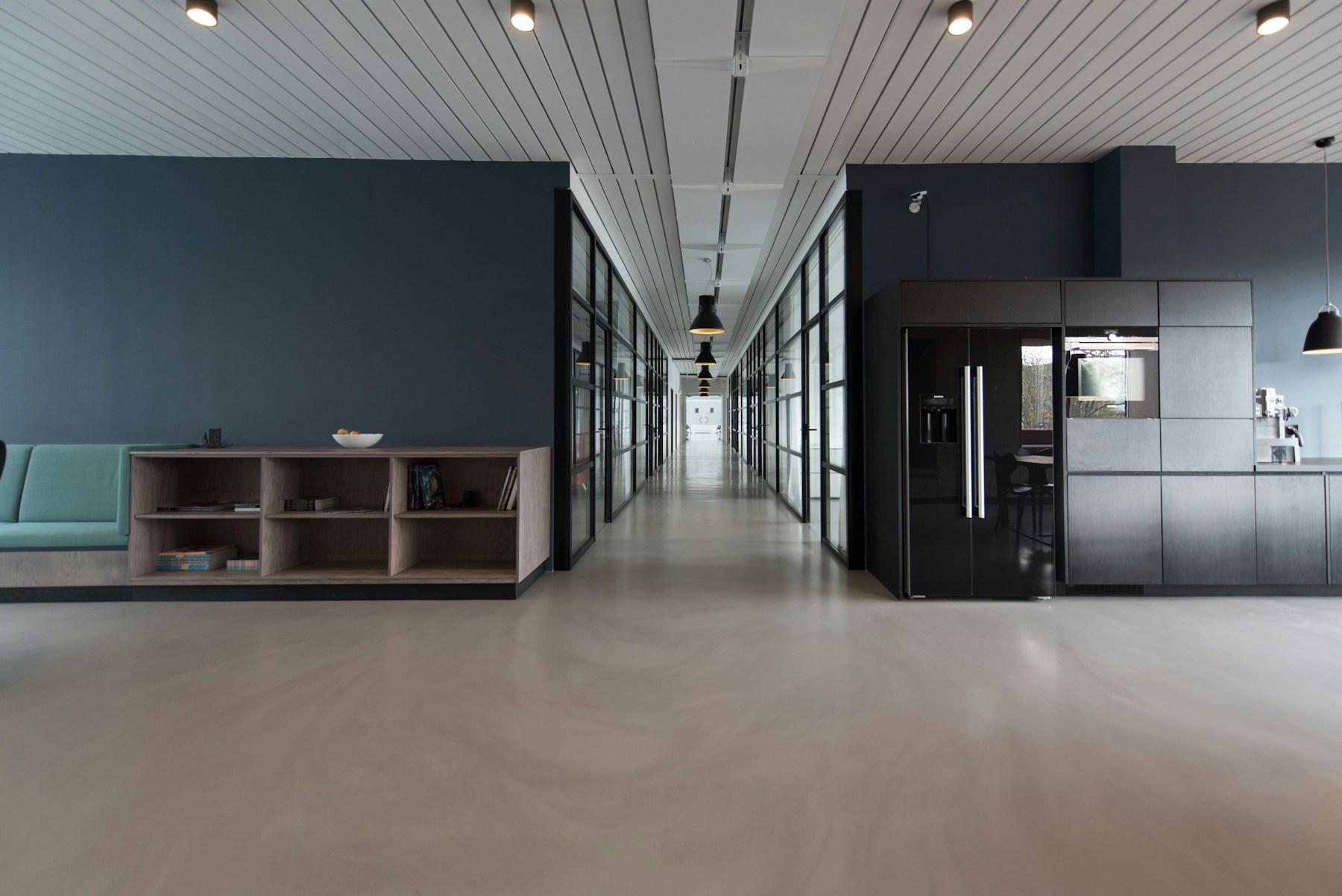
Your Space Speaks. Make Sure It Says the Right Thing.
Materials for spaces that speak.Before your client hears your pitch, they see your space. Before they understand your strategy, they experience your environment. Goodland Africa helps businesses create interiors that communicate the right things — before anyone says a word.
Start the conversation
Discussion
2 comments